
Day 1 :
Keynote Forum
Carroy Ferguson
University of Massachusetts-Boston, USA
Keynote: Archetypal energies as a humanistic framework for optimal human relations individually and collectively
Time : 09:35-10:15

Biography:
Abstract:
Keynote Forum
Courtland C Lee
The Chicago School of Professional Psychology, USA
Keynote: A study of acculturative stress, coping and quality of life among third country nationals (TCNs)
Time : 10:40-11:20

Biography:
Abstract:
While a great deal of attention has been focused on those individuals who often flee their country of origin due to conflict or natural disaster seeking refugee or asylum-seeker status, there is another important group of immigrants who voluntarily immigrate for social or economic reasons. These individuals are classified as Third Country Nationals (TCNs). The purpose of this study was to investigate the relationships among acculturative stress, coping and quality of life among TCNs in a Southern European country. The study employed a mixed-methods research design. The overall research sample consisted of 117 adult TCNs who had been residing in the host country for more than one year. For the qualitative aspect of the study 13 adult TCNs were invited to take part in one-on-one interviews. They were asked a series of questions about their pre-migration experiences. For the quantitative aspect of the study TCNs were invited to respond to an anonymous questionnaire. The questionnaire measured acculturative stress with the Revised Social, Attitudinal, Familial and Environmental Acculturative Stress Scale, coping with the Brief COPE scale, and quality of life with the World Health Organization Quality of Life-BREF scale. A total of 104 adult TCNs completed the questionnaire. Two themes emerged from the qualitative interviews related to the pre-immigration life of TCNs: Push/pull factors and loss. With respect to the quantitative analysis, negative correlations were found between the SAFE-R scores and the scores on the four domains of WHOQOL-BREF. This suggests that the lower the level of a TCNs acculturative stress, the higher the individual’s perception of his/her quality of life in the host country. In addition, negative correlations were found between problem-focused Brief Cope subscale scores and the scores on the four domains of WHOQOL-BREF, suggesting that the more ineffective one’s coping mechanisms, the lower the quality of life.
Keynote Forum
Vivian V Lee
Johns Hopkins University, USA
Keynote: A study of acculturative stress, coping and quality of life among third country nationals (TCNs)
Time : 10:40-11:20

Biography:
Abstract:
- Workshop
Location: Norfolk
Session Introduction
Sheena Vella
Migrants Resource Centre, London
Title: Innovating healthcare delivery for newly arrived migrants through community participation, visual expressions of people’s stories and learning alliance


Biography:
Sheena Vella, MSc. is a social and cultural psychologist and has worked in the field of migration for the past 7 years in Malta and the U.K. Her photovoice research on the social representations of asylum seeking and the future in Malta was awarded a distinction from the Institute of Social & Cultural Psychology at the London School of Economics & Political Science. She has worked at the University of Malta, within government open centres for asylum seekers, and the NGO and voluntary sector. She is currently co-ordinator of the Integration and Community Development activities at Migrants Resource Centre in London. She is particularly interested in empowerment and development models of migrant and refugee women, development of transcultural competencies and social justice.
Abstract:
Migratory experiences often exacerbate the mental health care needs of vulnerable migrants and refugees. Mental health services access and provision, therefore, need to be adaptive to the specific needs of these populations. Thus, development and promotion of these types of services require that migrants be not only at the heart of physical and mental health delivery models but also be able to influence them. My Health project, a thirty-six months initiative oriented to identify health needs of newly arrived migrants – women and children in various European cities, is implementing innovative participatory methodological strategies. The aim is to move from a consultative process to a more participatory and inclusive one in the access/provision of health services. Preliminary findings regarding the innovative strategies used by My Health, namely community participation activities, visual expressions of people’s stories and a stakeholder learning alliance, show that professionals involved are increasingly aware of a) the need to develop better networks with diverse communities, b) the importance of conscious participatory design that moves beyond consultation with migrants through research, and c) the need to recognise and bolster the role of migrant professionals. Furthermore, by using pictograms health and mental health professionals are mastering new ways to communicate effectively using images, reducing a high reliance on verbal language. Lastly through the learning alliance, professionals and researchers are becoming aware of how involving a more comprehensive network can increase the impact of their work on a broader range of stakeholders. Overall both the intended and unintended results of the innovative strategies used by My Health—an initiative supported by the European Commission, so far are demonstrating creative ways to be used when engaging with mental and physical service delivery for newly arrived migrants.
- Neuroscience and Neurological Disorders | Clinical Psychology | Advances in Neurological Disorders | Clinical Neuropsychology | Psychotherapy | Humanistic Psychology | Developmental Psychology | Abnormal Psychology | Occupational Psychology
Location: Norfolk

Chair
Courtland C Lee
The Chicago School of Professional Psychology, USA

Co-Chair
Vivian V Lee
Johns Hopkins University, USA
Session Introduction
Sharron Dolan
Glasgow Caledonian University, UK
Title: Role of adipokines in enhanced pain and inflammation in a rodent model of obesity


Biography:
Sharron Dolan is a Senior Lecturer in Pharmacology and Assistant Head of the Department of Life Sciences at Glasgow Caledonian University. After completing her PhD in Neuropharmacology at University of Stirling with Dr Peter Cahusac, she took up a BBSRC funded Post-Doctoral position with Professor Andrea Nolan at Glasgow University’s Veterinary School, working to characterize the spinal mechanisms of inflammatory pain and analgesia. She took up a tenured post as lecturer at GCU in 2004. Her research over the past 20 years has focused on understanding the neuronal mechanisms of pain and inflammation and more recently focused on mechanisms underlying co-morbid pain with diabetes and obesity.
Abstract:
Obese individuals are more likely to be affected by chronic pain, however, the biological mechanisms underpinning this comorbidity are not known. A causal link may be dysregulated secretion of inflammatory adipokines both from expanding adipose tissue and centrally. The aim of this study was to characterize altered pain processing and changes in inflammatory cytokine expression in spinal cord in rodent models of obesity. Responses to thermal and mechanical stimulation of the hind paw were assessed in adult male Wistar rats fed a high fat diet (HFD; 22%) or normal diet for 16 weeks (n=6/group) in absence of inflammation, and then in response to intradermal hind paw injection of carrageenan (3%; 50μl), a model of acute inflammation. Spinal cord was collected and adipokine mRNA expression, cholesterol and triglycerides (TAGs) measured using real-time PCR and ELISA. Rats fed a HFD gained significantly more weight than controls (502 ± 12g vs. 444 ± 7g; P<0.01), and displayed plasma hyperinsulaemia and hypercholesterolaemia (both P<0.05 vs. controls) but normoglycaemia. Acute nociceptive responses were unchanged in obese rats but they displayed potentiated mechanical and thermal hyperalgesia and increased paw edema (all P<0.05 vs. lean controls) in response to carrageenan. Significant changes in levels of resistin C reactive protein, TGFβ and visfatin (but not IL1β or TNFβ) were detected in obese rat spinal cord. The increased pain and inflammation in obese rats fits with the hypothesis that obesity is a chronic low-grade inflammatory disorder, producing a state where responses to inflammatory challenge are potentiated. The altered adipokine profile observed suggests adipokines may be useful biomarkers for monitoring initiation and progression of pain with obesity, or even be involved in the development of co-morbid pain in obese individuals.
Joyceline Ntoh Yuh
University of Oldenburg, Germany
Title: Psychological impact of HIV/AIDS stigma among women of African origin in Germany: What can we learn from their stories?


Biography:
Joyceline Ntoh Yuh is a Feminist and Doctoral candidate in the University of Oldenburg, Germany. She holds an MA in Women & Gender Studies from the ISS Erasmus University Netherlands. Her research interest includes HIV/AIDS related issues, Psychology, Gender, Sexual and Reproductive health. Since 2006, she took keen interest in the field of HIV/AIDS were she researched on the impact of HIV on agriculture affecting mostly women with the UN FAO gender unit (Italy), mainstreaming HIV policies in UNFFE Uganda, HIV stigma & child bearing in Africa and currently facilitates workshops with MA students in the area of gender, sexuality & HIV/AIDS. She is also a Reviewer in the Journal of AIDS Clinical Research & STD (USA) and works as a counseling volunteer in the AIDS Help NGO, Germany.
Abstract:
Reports from Germany (2012-13) points a 70% increase in heterosexual transmission with about 40-50% from Sub Saharan Africa marking new diagnosis especially in women. HIV-related stigma among African women is rather complex using the intersectionality framework for analysis, which distinguishes the subjective experiences and realities of women's lives, not just as a single category stemming from a gender-based research critique. Meanwhile, HIV-stigma denotes the link between sero-status and negative behaviors toward people who are seropositive. Stigma thus reflects guilt, shame, denial, prejudice, discrediting, discrimination, stereotypes, denial, rejection and self-blame. African women are particularly vulnerable to stigma due to various factors often undermined or neglected. It is imperative to mention that women are generally susceptible to infection due to biological and other socio-cultural reasons, which eventually positions them into a high risk category. Furthermore, women tend to be negatively perceived when infected and labeled promiscuous for transmitting the virus to their partners, without knowing the transmission dynamic. Stigma further constrains relationships within families and communities. This in the long term results into secrecy affects infection status disclosure and seeking of the much needed support services. This highlights the link between HIV and mental health because people living with HIV are prone to mental problems compared to the others. Thus, their psychological and social wellbeing becomes essential just as their physical health. HIV-related stigma further complicates the overall wellbeing of these women in realizing their potentials in life, which tends to hamper their productivity and sense of purpose. The in-depth study of six women shows the dilemmas and challenges faced by seropositive women in the face of HIV, dealing with disclosure issues, anxiety, depression, social isolation, stress, fear and rejection. This convenient sample examines how psychological impact continues to affect sero-positive women negatively in living fulfilled lives while impacting on their unfulfilled sexual satisfactions due to continuous use of condoms and other related anxieties. At times, such insecurities become overwhelming, pushing them to neglect their self-esteem as women. Interpretative phenomenological analysis here aims to gain deeper understanding from participants’ perspectives on how they manage to make opinions and viewpoints of their own experiences, events and social world. It is then vital to provide lived experiences and interpretations in own terms, than simply attributing to pre-existing theoretical preconceptions, by getting details of each case than general claims (ibid).
Parasuraman Basker
Public Health & Preventive Medicine, India
Title: Role of neuro endocrine system on the function of male accessory reproductive glands (MARG) in a cotton bug Serinetha augur (Fabr) Coreidae: Hemiptera
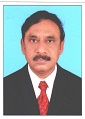
Biography:
Parasuraman Basker had been awarded Doctoral degree in zoology from Annamalai University, Tamil Nadu, India. Following it he was Research Associate in ICAR and UGC research projects on the fauna of Carabids (Coleopteran Insect) in South India and mosquito cytogenetics in the University of Agricultural Sciences, Bangalore and Bangalore University respectively. Subsequently, he was posted as Senior Entomologist in 1995 in the Department of public Health and Preventive Medicine through Tamil Nadu Public Service Commission (TNPSC). In his credit 33 Research Abstracts presented in 8 International and 25 National Conferences since 1983. 21 research papers have been published in reputed national and international journals. He visited Canada, Malaysia, Morocco, Singapore and Spain as presenters with the Government of India Travel Grants (CSIR, INSA, ICMR and NRHM).
Abstract:
The neuroendocrine complex of adult insects consists of neurosecretory cells (NSC) of the brain, corpora cardiaca (CC), and corpora allata (CA). Following the pioneering work of Weyer (1935) in honeybees, several investigators have been explored on the histomorphology of NSC, CC and CA in many orders of insects including in hemipteran insects. The present study is dealt the regulatory mechanism of the male accessory reproductive glands (MARG) of a hemipteran cotton pest Serinetha augur. Histological and electrophoretic studies were made to understand the interrelationship of the neuroendocrine complex (NEC) and the MARG of the insect. The brain of Serinetha augur is divisible into three regions, namely proto-deuto and tritocerebrum. Protocerebrum lies at the anterior region, deutocerebrum is in the latero mid region and tritocerebrum is in the latero posterior region of the brain. The neurosecretory cells (NSC) in the brain complex have been arbitrarily classified into four types (A, B, C and D) and are connected by pars intercerebralis. NSC in this region is distinguished as median neuro secretory cells (MNC). Among NSC identified in three regions of the brain of Serinetha augur A is found larger (13- 18 microns) which is located in tritocerebrum with weak reaction of chrom alum haematoxylin and phloxin (CAHP) due to lower concentration of neurosecretory materials. The type B are 10-12 microns situated in protocerebral region with higher concentration of neurosecretory materials. C and D are moderate and weak reaction respectively with aldehyde fuchsin (AF) and CAHP indicate lesser amounts of neurosecretion. On the regulation of the MARG, it was understood that CA took part directly for its maturation and function. It was proved by the experiments of gonadectomy and extirpation of the MARG. Besides, electropherogram of brain complex in pre and post mating insects showed the quantitative changes of protein. This observation further supports the view that NSC in brain complex has a regulatory role in the MARG which has varieties of vital functions in sperm transfer activities.
Wafaa Ramadan
King Faisal Specialist Hospital and Research Center, Saudi Arabia
Title: Confirming the recessive inheritance of SCN1B mutations in developmental epileptic encephalopathy


Biography:
Wafaa Ramadan has completed her MBBS degree this June at the age of 24 years from AlFaisal University, Riyadh, KSA. She has a diploma in clinical research activities and a certificate for one year training in developmental genetic department. Dr. Wafaa graduated with first honor degree and has the award of being best intern of the year. She has three papers published, she is the first author in the one she's presenting. Her field of interest is neurology and neuroscience and her work is dedicated towards it.
Abstract:
Introduction: Dominant SCN1B mutations are known to cause several epilepsy syndromes in humans. Only two epilepsy patients to date have been reported to have recessive mutations in SCN1B as the likely cause of their phenotype. Here, we confirm the recessive inheritance of two novel SCN1B mutations in five children from three families with developmental epileptic encephalopathy. The negative clinical exome in one of these families highlight the need to consider recessive mutations in the interpretation of variants in typically dominant genes.
Materials & Methods: We conducted autozygosity mapping and a multi-gene panel in five children with epileptic encephalopathy from three unrelated consanguineous families with normal parents.
Mutation Analysis: In family one and three the same splicing variant was identified (NM_001037.4:c.449-2A>G). In family two a missense homozygous SCN1B variant (NM_001037.4:c.355T>G:p.Y119D) was identified with high pathogenicity scores using in silico prediction tools (PolyPhen (0.997), SIFT (0) and CADD (27)). These variants were completely absent in >7,000 Saudis screened for these genes using exome sequencing and gene panel testing. They were also absent in ExAC.
Conclusion: Although dominant mutations are the typical class of mutations in SCN1B in the context of epilepsy, recessive mutations in this gene have also been reported, albeit very rarely (two patients to date). The negative clinical exome in one of these families highlight the need to consider recessive mutations in the interpretation of variants in typically dominant genes.
- Workshop
Location: Norfolk
Session Introduction
Linda Sage
Successful Mindset Ltd., England
Title: Overcome compassion fatigue and burnout


Biography:
Abstract:
- Neuroscience and Neurological Disorders | Clinical Psychology | Advances in Neurological Disorders | Clinical Neuropsychology | Psychotherapy | Humanistic Psychology | Developmental Psychology | Abnormal Psychology | Occupational Psychology
Location: Norfolk

Chair
Courtland C Lee
The Chicago School of Professional Psychology, USA

Co-Chair
Vivian V Lee
Johns Hopkins University, USA
Session Introduction
Nikolaus Blatter
University of Innsbruck, Austria
Title: The effect of the C.O.M.E program for people with mental and/or drug disorders to live a more independent life
Time : 12:20-12:45


Biography:
Abstract:
Natasha Yasmin
University of Birmingham, UK
Title: Prospective memory and its association with frontal lobe functioning in schizophrenia and bipolar disorder
Time : 12:45-13:10


Biography:
Abstract:
Peter Hilpert
University of Surrey, UK
Title: Scale-up! A novel method to study reciprocal real-time processes during patient-therapist interactions
Time : 14:10-14:35


Biography:
Hilpert develops next-generation methods to study social interactions. He was awarded with two grants from the Swiss National Science Foundation (SNSF) to develop this novel method at the University of Washington in collaboration with Prof. Atkins (Psychiatry and Behavioral Sciences). Currently, he was awarded a career grant (SNSF) and works for the University of Bern and Zurich and is a lecturer for advanced statistics at the University of Surrey. He uses engineering method to extract behavior (mainly facial and vocal signals) in high temporal resolution (HTR), combines this with factors we already can extract in HTR (physiology, emotions) and use advanced quantitative methods (e.g., dynamical systems modeling, deep learning) to compute self-regulation and co-regulation processes in couples and patient-therapist interactions. Three papers are currently under resubmission based on this method in leading journals (JCCP, Psychological Science).
Abstract:
Robert G MacDonald
Liverpool John Moores University, UK
Title: Laughter is the best therapy
Time : 14:35-15:00


Biography:
Abstract:
The most honest form of art is comedy.” Lennie Bruce. My name is Doctor Robert, who actually featured in The Beatles, Revolver Album. He was a Psychiatrist in New York City who prescribed uppers and downers to the stars. I have written two books “Design for Dementia.” and have contributed to “Essential Nursing for Mental Health Care and “Dementia Care a Practical Guild” My research Question is: Can comedy push the boundaries of mental health and challenge the stigma? Thank You for your kind invitation to your Birmingham conference. I am a mental patient and have been sectioned under the Mental Health Act. This presentation is both tragic and comedic. It’s bi-polar…just like me. Its manic and depressive…most of all it’s my lived experience. I have been bi-polar since the age of 19. During this period I have experienced a number of episodes and I have been hospitalised under the Mental Health Acts. Normally, all my performances are for Mental Health Charities. I believe in the demystification of Mental Health. I have never addressed such a group of “Clinical Psychologists and Neuroscientist’s”. Whatever our discipline we all must talk about Mental Health and challenge the stigma that the 1.4 the population experience. Let’s put mental health under the spotlight because increasingly it affects young children and young people. It’s probably not really on the NHS radar? This presentation was first presented during World Mental Health Week 2017 for a Symposium of Psychologists, Mental Health Nurses, The International Day of Midwifes and The Laughter house Comedy Store. The highest, literary, was at Millbank Tower, 30 floors up in Westminister for the BRE (Building Research Establishment). For me the only way to survive mental illness is with humour and comedy. I am actually a fully qualified Architect and The Design Champion for MerseyCare NHS Foundation Trust. I intend to talk about my lived experience of my bi-polar disorder. I suggest that clinical professionals need to understand more deeply, the nature of the bi-polar condition and draw lessons for their practice. Many Thanks for listening to me.
Takaki Shimura
Sosei Group Corporation, Japan
Title: A neuropsychological test (CKPT: Color Word Pick-out Test) to be able to detect the slight disorder of prefrontal lobe: Classify the level of the preclinical stage of dementia
Time : 15:00-15:25


Biography:
Abstract:
Owolabi Joshua Oladele
Babcock University, Nigeria
Title: Caffeine prenatal exposure caused persistent alterations in astrocyte morphology in experimental models
Time : 15:25-15:50


Biography:
Abstract:
There are concerns over the consumption of caffeine during pregnancy and early years of life due to the susceptibility of the brain to the stimulant. The aim of this investigation is to assess the effects of pre and postnatal caffeine ingestion on the development of the frontal cortex of mice models. A total of 32 (n=32) adult mice (Mus musculus) were recruited primarily for the study. They were divided into four groups labelled A, B, C and D which include the Control, Low-Dose, Medium- Dose and High-Dose groups respectively. Treatment duration had Phase I and Phase II to assess pre and postnatal effects respectively. In Phase I, Groups B, C and D were given 10mg/kg, 50mg/kg 120 mg/kg body weight of water-dissolved caffeine respectively while Group A animals served as the control. Mating was allowed and the pregnant female mice were administered caffeine from the day 0 (E0) of pregnancy until parturition. Half of the offspring were sacrificed at birth. The remaining offspring from the Phase I experimental animals were recruited into the phase II for postnatal caffeine administration. Phase II [postnatal] treatment started from parturition until postnatal Day 35 marking the average age of puberty. Brain specimens were excised and processed at the end of Phase I and Phase II. Histo and immunochemical properties of the frontal cortex were demonstrated using the Feulgen DNA and GFAP techniques. High caffeine dosage administration during pregnancy produced general cytological and histoarchitectural disruptions and distortions that affected glia as well as other cell types. Cell staining patterns are largely heterogeneous as much as they are in morphological appearances. Astrocytes, staining positive for GFAP, had altered morphologies. Processes are quite sparse and hardly readily observable. These observations indicate possible limitations or retardations in astrocyte differentiation as a result of caffeine effects.
Achilleas Attilakos
Attikon University General Hospital, Greece
Title: Effect of levetiracetam monotherapy on cardiovascular risk factors in children with epilepsy: A prospective study
Time : 16:05-16:30


Biography:
Abstract:
Satish G Patil
Shri B M Patil Medical College - BLDE University, India
Title: Yoga: An ancient mind-body therapy for cardiovascular prevention and rehabilitation
Time : 16: 30-16:55


Biography:
Abstract:
Yoga is an Indian ancient system of life-style having a psycho-somatic-spiritual discipline that helps to achieve a harmony between our mind, body and soul. Similar to the clinical psychology, yoga focuses on intellectual, emotional, social and behavioral aspects of human functioning. Its mind-body techniques relax mind and body, reduce stress and anxiety, and culminate happiness and well-being. Emotional disturbances, stress, anxiety, depression, sedentary life, lack of sleep, unhealthy diet contribute to the development of cardiovascular (CV) disease. Autonomic imbalance/dysfunction, impaired endothelial function/dysfunction and arterial stiffness are the emerging major mechanisms for CV morbidity and mortality. Though autonomic nervous system (ANS) plays a central role in maintaining CV homeostasis, but CV health is controlled and determined by both ANS and endothelial system. It has been shown that endothelial function and ANS are interrelated and involve complex interactions between two systems. Endothelial dysfunction with decreased bioavailability of nitric oxide and ANS imbalance/dysfunction (often co-exist) are the predisposing factors or early indicators and antecedents for the development of CV disease including metabolic syndrome and diabetes. Therefore, enhanced endothelial function and reduced sympathetic activity appears to be protective against CV disease. In this presentation, role of yoga as a mind-body medicine in cardiovascular prevention and rehabilitation (focusing mainly on non-traditional risk factors) will be discussed. We and other researchers have demonstrated that yoga practice can enhance bioavailability of nitric oxide and endothelial function; reduce arterial stiffness; and shift the autonomic balance towards parasympathetic dominance in subjects with CV risk. It reduces heart rate and myocardial work load, and improves diastolic function of heart in elderly individuals. Recently, in another study we observed a restoration of autonomic balance towards parasympathetic dominance and reduction in insulin resistance in non-diabetic and normotensive offspring of type-II diabetic parents, suggesting that regular practice of yoga may prevent the future development of diabetes or CV risk in children of diabetic parents. Oxidative stress being one of the major pathway for reduction of bioavailability of NO and endothelial dysfunction, effect of yoga program on oxidative stress was investigated to understand the mechanism of yoga on CV health. In this study, a significant reduction in oxidative stress and enhancement in antioxidant defense (superoxide dismutase, glutathione) was observed. An ongoing study has shown effectiveness of yoga on cardiac rehabilitation in patients with acute myocardial infarction. Available data shows that yoga is an effective mind-body medicine that can protect the CV system by enhancing endothelial function and optimizing autonomic balance. However, in future yoga based clinical trials are warranted for better understanding of yoga effects and its psychophysiological mechanism on CV health.
Yousif Ali Yaseen
University of Duhok, Iraq
Title: Somatoform disorders in out-patient psychiatric setting: An overview
Time : 16:55-17:20


Biography:
Yousif Ali Yaseen is awarded F.I.B.M.S in Psychiatry from Iraqi Board for Medical Specializations, Iraq. He holds a Bachelor in Medicine & General Surgery (M.B.Ch.B.) from College of Medicine, University of Duhok, Iraq. He has extended his valuable service as Senior Psychiatrist in Psychiatric Department , Azadi Teaching Hospital-Duhok. Currently, he is working as an Assistant Professor for branch of Psychiatry in University of Duhok. His international experience includes various programs, contributions and participation in different countries for diverse fields of study. His research interests reflect in his wide range of publications in various national and international journals. He is a Consultant Psychiatrist at UNHCR and GIZ in collaboration with DGoH- Duhok. He is a Member of the founding body of the Kurdistan Psychiatric Association (KPA) in 2017.
Abstract:
Background: This study aimed at assessing the prevalence and risk factors of Somatoform disorders (SDs), their types and common presenting symptoms of conversion disorder (CD).
Patients & Methods: This study had been conducted at outpatient Psychiatric Clinic in Azadi Teaching Hospital, Duhok City, in which 637 patients were selected randomly. (SCID-I/P) (Version 2.0) was applied to diagnose patients with SDs. (SPSS), version 21, was used for data analysis.
Results: The prevalence of SDs appeared to be (24%). CD comprised the vast majority of SDs 75.82%, followed by somatization disorder 7.84% and undifferentiated SD 5.22%. Most of the cases were females (75.85%), the result showed high statistical significant association of the gender to SD (p-value<0.001). Majority of the cases were from the youngest age group (15-25 years), they comprised (60.1%), the association of the age to SD appeared statistically significant too (p-value=0.024). Although, more than two-third of the cases were from lower educational levels (illiterate and primary educational level) (67.3%), more than fifty percent were married (52.3%), majority were housewives (39.2%) and more than half of the cases were from urban areas (52.3%), but no significant association were found between SD and educational level, marital status, occupation, and residence (p-values were 0.218, 0.659, 0.072, 0.090 respectively). Regarding the symptomatic presentation of CD, vast majority of the cases presented with seizure which comprised (81%), followed by motor symptoms which comprised (17.2%), and sensory symptoms which constituted (1.7%) only.
Conclusions: The prevalence of SDs appeared high; the vast majority cases of SDs were CD. The risk factors for SDs included being female and young. Regarding the presenting symptoms of CD, seizures comprised the vast majority.